Peptide Therapy

BPC-157 Peptide Therapy In Charlotte, NC

BPC-157 is a healing peptide with powerful anti-inflammatory and tissue-regenerative properties. Used to supplement recovery efforts from injuries, surgeries, gut inflammation, and overtraining, it supports your body’s ability to repair itself without steroids or painkillers.
At VYVE, we use BPC-157 as part of personalized recovery and resilience protocols for athletes, active adults, and anyone healing from the physical wear of modern life.
This isn’t another skincare trend. It’s cellular support designed by nature,
backed by science, and personalized at VYVE.
As Featured In
divider

What Is BPC-157?

BPC-157, short for “Body Protection Compound 157”, is a synthetic peptide composed of 15 amino acids, derived from a protective protein found in the human gastrointestinal tract. It’s known for its ability to accelerate tissue repair, reduce inflammation, and support healing in the gut, joints, muscles, tendons, and even the brain.

It works by stimulating the formation of new blood vessels (angiogenesis), enhancing cellular communication, modulating nitric oxide pathways, and activating local repair processes in damaged tissues.

BPC-157 is considered one of the most versatile regenerative peptides in functional medicine. Whether you’re recovering from injury, managing chronic inflammation, or healing post-surgery, BPC-157 may help your body repair faster and more completely.

divider

What Are the Potential Benefits of
BPC-157?

BPC-157 has gained popularity for one reason: it works. From orthopedic recovery to gut health and neurological repair, it’s one of the most widely used healing peptides in regenerative medicine.

Potential benefits include:

Skin Regeneration

  • Accelerated recovery from muscle, tendon, and ligament injuries
  • Reduced inflammation in joints and connective tissue
  • Faster healing after surgery, orthopedic procedures, or PRP therapy
  • Improved gut lining integrity and support for conditions like leaky gut or IBD
  • Support for brain recovery and CNS function post-concussion or TBI
  • Enhanced circulation and angiogenesis at injury sites
  • Reduced pain and improved mobility during recovery phases

Unlike painkillers that mask symptoms, BPC-157 promotes true healing by giving your body the signals and support it needs to repair itself.

Peptide Therapy

Who Is BPC-157 For?

BPC-157 is for people who want to heal faster, move better, and reduce inflammation without relying on long-term NSAIDs, cortisone, or surgery as the first solution.

You may be a good candidate
for BPC-157 if you:

GHK-Cu
  • Are recovering from a muscle, tendon, ligament, or joint injury
  • Have chronic overuse issues like tendonitis or plantar fasciitis
  • Recently had orthopedic surgery and want to speed up recovery
  • Struggle with gut issues like leaky gut, ulcerative colitis, or IBD
  • Want to support soft tissue regeneration in high-impact sports or training
  • Need an alternative to pain meds for managing inflammation during rehab

Who It’s Not For:

  • Individuals with active cancer (due to angiogenesis stimulation)
  • Pregnant or breastfeeding women
  • Anyone looking for a painkiller substitute rather than a long-term repair tool

At VYVE, BPC-157 is always prescribed as part of a precision healing plan based on your injury, history, and goals. No random injections. No self-experimentation. Just structured recovery done right.

How It Works At VYVE

At VYVE, BPC-157 isn’t used in isolation. It’s part of a broader regenerative protocol built around your injury, stress load, and long-term recovery goals.

Delivery methods:

  • Subcutaneous injection is used for systemic healing and musculoskeletal repair
  • Oral capsule format is typically reserved for gut-related protocols or patients unable to inject

Which is right for you? Watch our YouTube video here for Dr. Haas’ explanation:

Treatment dosing and duration:

  • Most protocols last 2 to 4 weeks, depending on severity of injury and overall tissue health
  • Daily administration is common, followed by rest cycles or a switch to complementary peptides

Stacking strategies:

  • BPC-157 is frequently paired with TB-500 (for connective tissue), GHK-Cu (for vascular repair), or TA-1 (for immune resilience)
  • For patients recovering from concussion or neuroinflammation, we may also integrate Semax or NAD+

This isn’t trial-and-error biohacking. It’s structured tissue healing with measurable beneficial effects.

As Dr. Will Haas puts it:

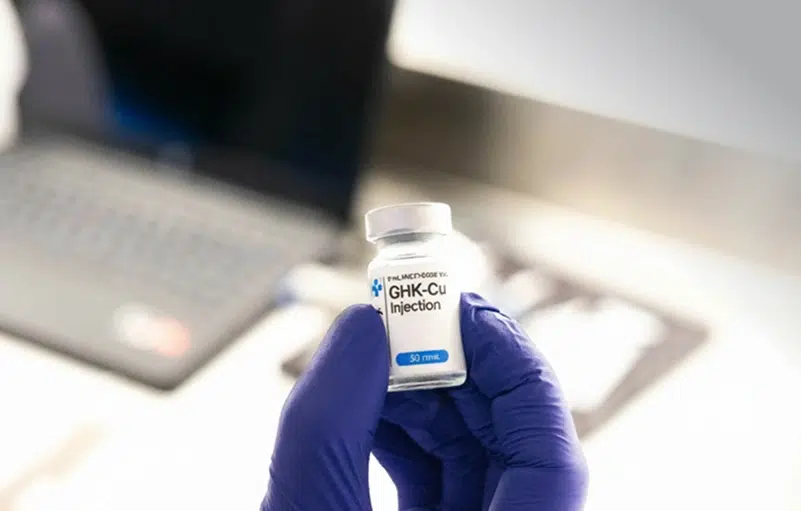
“We use GHK-Cu when we need to send a cellular wake-up call. Whether it’s healing, rebuilding, or rejuvenating—we want your body to know it’s go time.”

risks & precautions

BPC-157 Risks and Safety
Considerations

BPC-157 is well-tolerated by most patients and has shown an exceptionally low side effect profile in animal studies, early clinical trials, and real-world therapeutic use. That said, it’s still considered an investigational therapy in the U.S., and oversight matters.

Common, mild side effects may include:

  • Redness or irritation at the injection site
  • Temporary fatigue or mild shifts in appetite
  • GI changes in sensitive individuals using oral formulations

Important clinical considerations:

  • BPC-157 stimulates angiogenesis (new blood vessel formation), which may be contraindicated in patients with active or recent cancer
  • Overuse may blunt adaptive responses if not cycled properly. This is a repair tool, not a permanent solution

At VYVE, your use of BPC-157 is tracked, structured, and never left to guesswork. We optimize dose and duration based on your healing response, not internet forums.

FDA Disclosure:

This compound has not been evaluated by the FDA for disease treatment and is provided as part of a customized wellness protocol.

Related Peptides or Stacks

BPC-157 is a cornerstone healing peptide, but at VYVE, we rarely use it alone. It performs best when paired with other tools that target inflammation, tissue integrity, and systemic resilience.

Common stack partners include:

  • TB-500 – Promotes healing in deeper connective tissue and muscle groups
  • GHK-Cu – Supports vascular repair, collagen synthesis, and skin/tissue remodeling
  • TA-1 (Thymosin Alpha-1) – Modulates immune response during inflammation or injury
  • CJC-1295/Ipamorelin – Stimulates growth hormone pathways to enhance recovery and regeneration
  • MOTS-c or NAD+ – Helps restore cellular energy and recovery capacity under high physical stress

Every stack we build is customized. Whether you’re recovering from surgery, dealing with chronic joint pain, or training at elite levels, we design the protocol around your body’s needs.

Want to see how it fits into your personal plan?

Real GHK-Cu Patient Experience

One of our Charlotte-based clients—a 47-year-old executive dealing with sun damage and skin laxity—began a 12-week GHK-Cu protocol as part of her aesthetic optimization plan. After microneedling sessions paired with topical GHK-Cu, she reported faster healing, reduced redness, and visible improvements in skin tone and elasticity.

Midway through the cycle, we added BPC-157 to address a lingering hamstring strain. The result? Better skin, better recovery, and better performance—in and out of the gym.

This is the kind of personalized approach we take at VYVE: targeted therapy backed by science, adjusted in real time based on how you respond.

Frequently Asked Questions About BPC-157

BPC-157 is used to accelerate healing from musculoskeletal injuries, reduce inflammation, repair gut lining, and support recovery after surgery or orthopedic procedures. It’s also used in concussion, TBI, and chronic pain protocols.

Yes. BPC-157 is legal to prescribe and use under physician supervision as part of an off-label wellness protocol. It is not currently FDA-approved for any specific condition.

Subcutaneous injections are typically given in the lower abdomen or near the injury site. At VYVE, we provide full training, dosing guidance, and support to ensure safety and effectiveness.

Yes, but only for GI-related conditions. Oral BPC-157 is used in leaky gut, IBD, or gut-brain protocols, while injections are far more effective for systemic or structural healing.

Mild side effects may include injection site irritation, appetite changes, or temporary fatigue. Serious side effects are rare when dosed properly under medical supervision.

Yes. BPC-157 supports tendon, ligament, and connective tissue repair by stimulating angiogenesis and fibroblast activity. It’s commonly used in post-op and orthopedic recovery.

Many patients report reduced pain and improved function within 7–10 days of consistent use. Structural healing takes longer but is significantly accelerated compared to passive recovery.

Treatment ranges from $300–$750 per cycle depending on delivery format, duration, and whether it’s stacked with other peptides. Pricing is reviewed in detail during your consultation.

Blog & Educational Resources

Want to know how BPC-157 fits into a real-world healing strategy or how it compares to other regenerative tools?
Explore our top resources:
Question mark in a mirror
Peptide Therapy

BPC-157 vs TB-500

If you’ve been sidelined by pain, injury, or inflammation, you may have come across two names: BPC-157 and TB-500.  These healing peptide therapies are gaining attention for their ability to

Read More arrow
Close up a of a knee
Peptide Therapy

BPC-157 for Arthritis

If you’ve been told that joint pain is just something you have to manage, you’re not alone.  Millions of people are living with arthritis, stuck in a cycle of temporary

Read More arrow
A smiling woman with two thumbs up.
Peptide Therapy

BPC 157 Benefits

BPC 157 is gaining popularity for its powerful benefits in healing and recovery. Known as the “healing peptide,” it’s shown potential in supporting tissue repair, reducing inflammation, and even improving

Read More arrow

We regularly update our content library with the latest protocols, peptide insights, and injury recovery strategies.

Need a big-picture summary?

Download our free Peptide Therapy Cheat Sheet to learn how BPC-157 stacks up and how to talk to your provider about integrating it into your healing plan.

Ready to See If BPC-157 Belongs in Your Recovery Plan?

If you’re dealing with chronic pain, slow recovery, or lingering inflammation, your body may not need more rest. It may need better repair signals.

Take our Cellular Aging Blindspot Quiz to find out whether peptides like BPC-157 could help you heal faster, train harder, and move pain-free again.

Led by Dr. Will Haas, MD – Board-Certified in Integrative Medicine